
 Xiamen · OEM / ODM
01
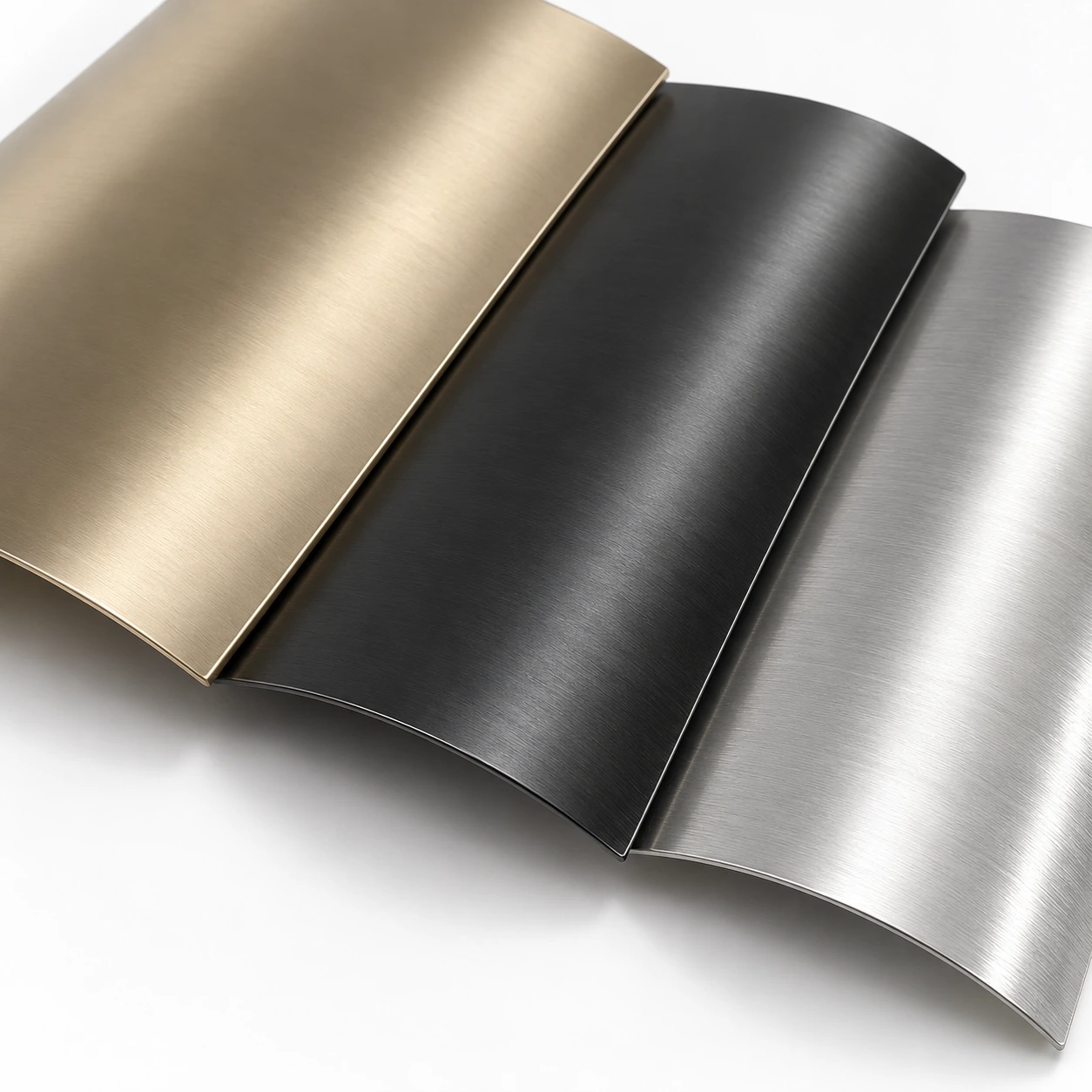
Three surfaces, seen up close.
Switch the surface to compare reflection, grain and color. The matching product photograph shows an application; the illustration explains the visual effect.
Mirror polished
A smooth, reflective surface produces clear highlights and broad reflections. Its appearance changes as the light and viewing angle move.
What to look for
- Observe whether reflected light stays even across the surface.
- Turn curved areas toward the light to reveal polishing marks.
- Gloss does not identify the stainless steel grade.
Discuss this surface
I would like a bright mirror-polished surface. Please suggest a suitable sample and show the finish on the handle, bowl and edges, together with the logo effect.
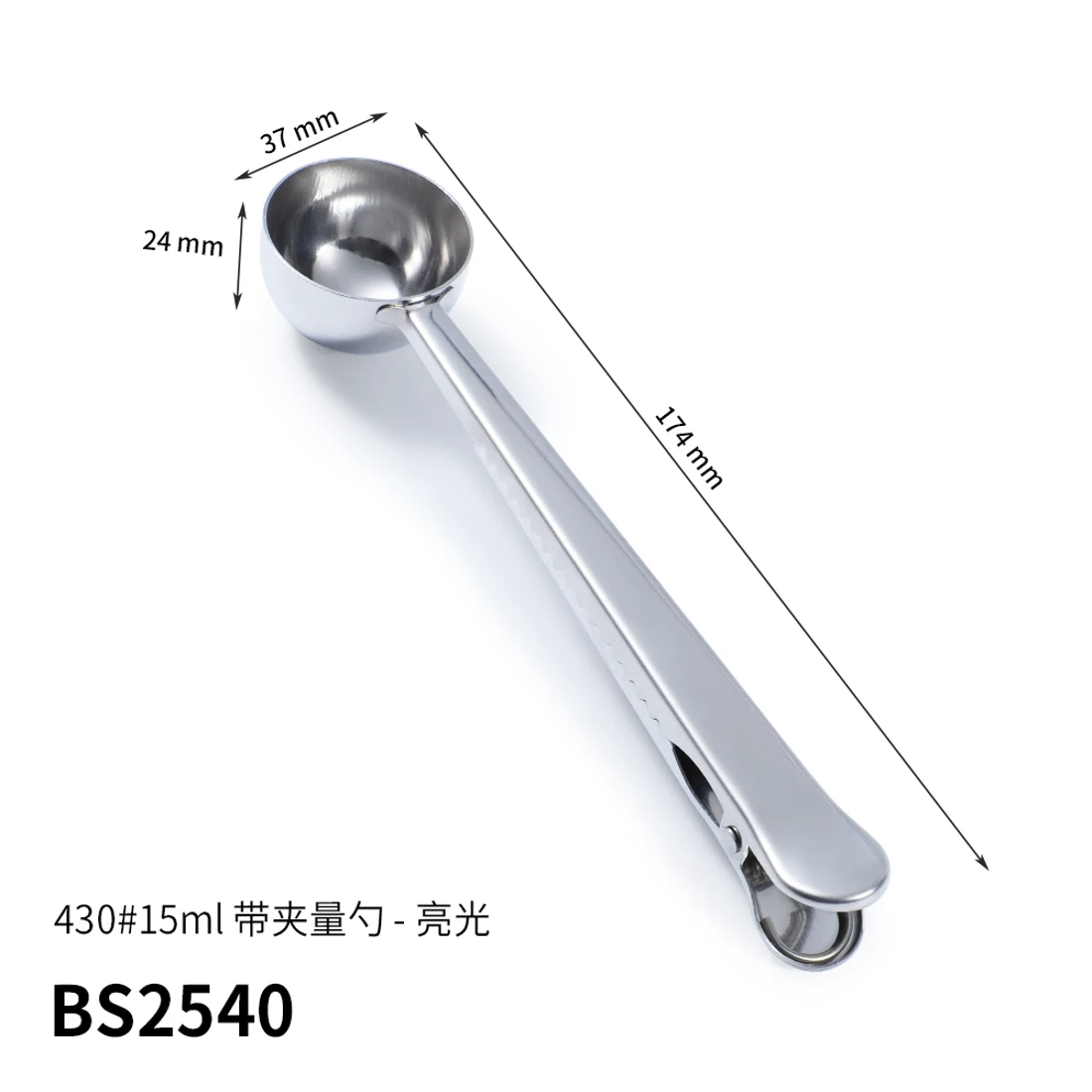
On an actual product BS2540 · 067
BS2540 · bright polished handle
This 430 stainless steel model shows a bright polished handle in the product photograph. Use it to see how reflection follows the handle’s shape, then compare the satin-handle version.
Brushed / satin
Brushing creates visible directional lines and softer reflections. Satin describes a family of softer sheens; it does not specify one fixed grain or process.
What to look for
- Compare the direction and fineness of the lines.
- Follow the texture through curves and transitions.
- The handle and bowl can have different finishes.
Discuss this surface
I would like a softly reflective handle with a fine, consistent grain. Please show a sample of the texture and discuss whether the bowl should remain bright or use the same finish.
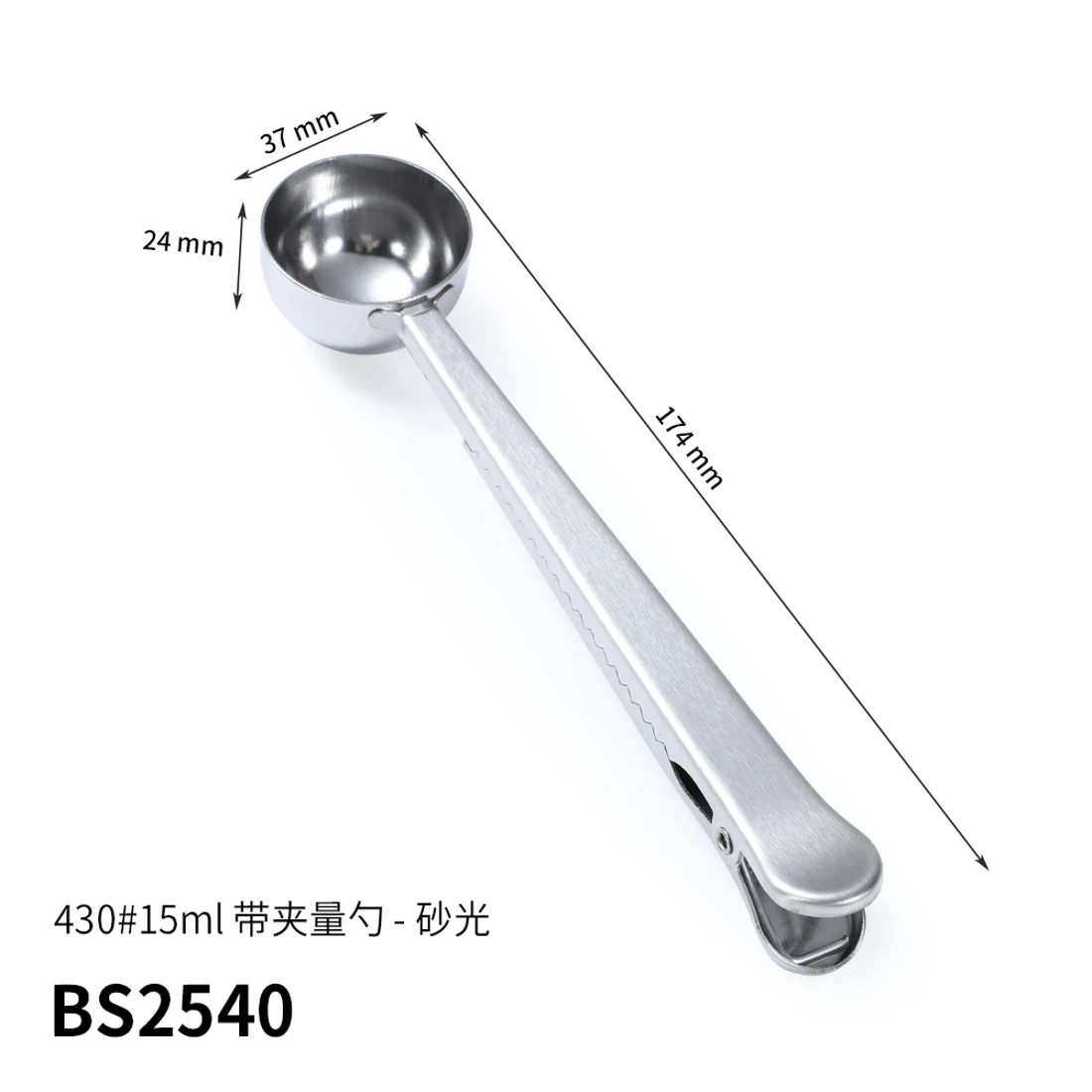
On an actual product BS2540 · 068
BS2540 · satin handle, bright bowl
The same 430 stainless steel model pairs a satin handle with a bright bowl. This photograph shows why a finish should be specified by area, rather than assumed to cover the whole product.
Colored surfaces
Color and underlying texture work together. A gold or black appearance does not identify the process; PVD is one possible method for suitable products.
What to look for
- Compare color under the same light and at several angles.
- Check coverage at rims, curves and transitions.
- Specify the process, base finish and care requirements together.
Discuss this surface
I would like to compare gold and black surface options. Please recommend a process for the selected model and provide a sample showing the color, base texture, logo and care requirements.
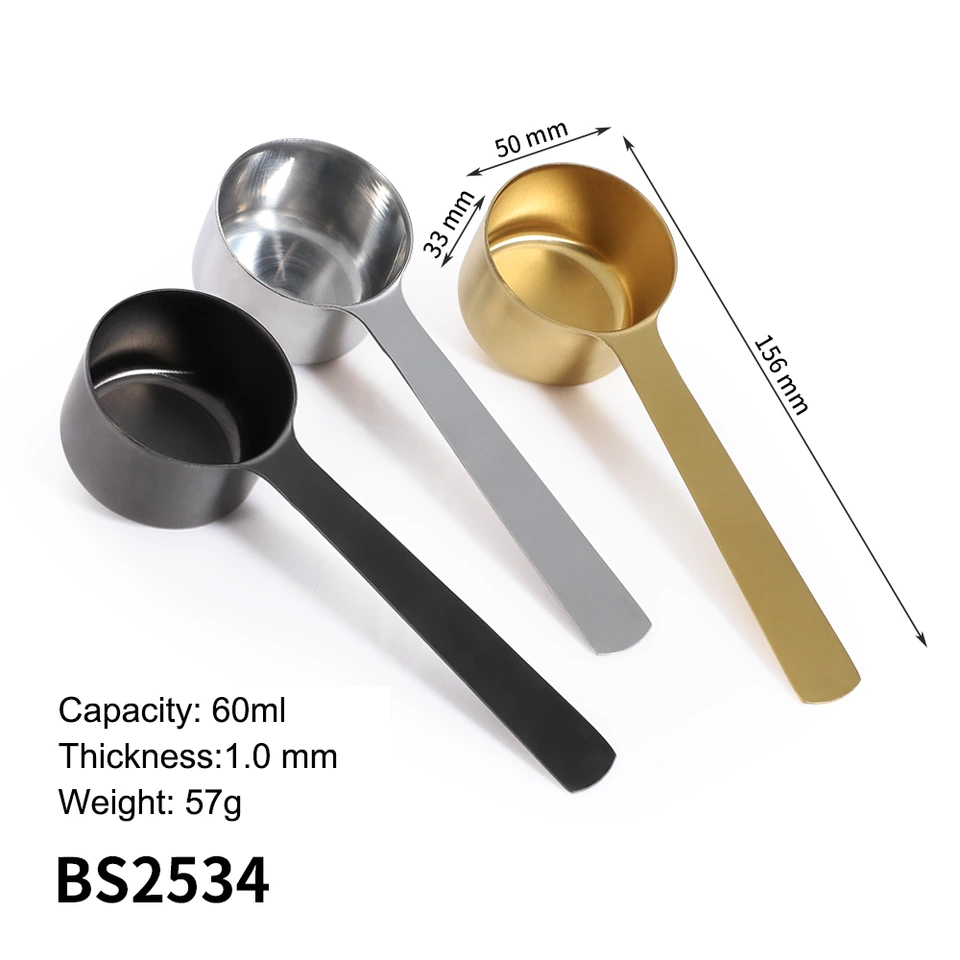
On an actual product BS2534 · 60 ml
BS2534 · silver, gold and black
The photograph places three appearance options of the BS2534 scoop together. It illustrates color choices, not one shared coating process. Specify the method for the chosen model and color.
Compare PVD, powder coating and paint for colored scoops →
Material, finish and coating are different choices.
- Material
- The stainless steel grade is the base material. Gloss or color cannot identify the grade.
- Finish
- Polishing or brushing changes surface texture and reflection. These treatments are not, by themselves, an added coating.
- Coating / coloring process
- A colored surface needs its process specified separately. Match care instructions and product documents to that exact construction.
02
Look beyond the flat part of the handle.
Inspect these four areas on the sample you intend to approve.
- 1
Bowl, inside and outside
Turn the spoon under the light. Compare gloss and texture across the bowl, not only at its center.
- 2
Edges and fork tines
Inspect the rim and spaces between the tines for burrs, rough areas and uneven finishing.
- 3
Handle and transitions
Follow the grain around bends and joints. Compare the front, back and sides for a consistent appearance.
- 4
Logo on the chosen finish
Check legibility, position and contrast at normal viewing distance. Use the intended marking process on the actual surface.
03
Choose by how the product will be used.
Use this table to plan the sample comparison, rather than rank one finish as universally better.
| What to compare | Mirror polished | Brushed / satin | Colored finishes |
|---|---|---|---|
| Appearance | Reflection and polish consistency | Grain direction and sheen | Color, coverage and base texture |
| Logo | Readability against reflections | Fine lines against the grain | Contrast after the chosen marking process |
| Cleaning | Agreed detergent and cleaning method | Tools and cleaning direction | Care instructions for the exact process |
| Packaging | Protection against rubbing in transit | Separation and secure positioning | Protection of exposed edges and color |
04
Confirm the finish in three steps.
- 01
Compare the same model
Keep material, shape and lighting consistent. Select the gloss, grain or color reference you want to reproduce.
- 02
Add the logo and packaging
Inspect a decorated sample in the intended pack. Check logo visibility and the points where products touch the packaging or each other.
- 03
Record the agreed reference
Keep a reference sample and note the process, appearance, logo, care instructions and packing method before bulk production.
05
Send a clear finish brief.
Copy this checklist into your enquiry and fill in what you already know.
- Product model, dimensions and material grade:
- Finish, gloss / grain and color reference:
- Logo file, size, position and marking preference:
- Destination market, use and cleaning method:
- Packaging style and protection between pieces:
- Order quantity, sample needs and target delivery date:
06
Questions before sampling
Is mirror polishing more rust-resistant?
Gloss alone cannot answer that. The steel grade, surface condition, cleaning and use environment all matter. Compare the actual product and relevant documents, not just its shine.
Does every colored finish use PVD?
No. Color does not identify the process. Specify the selected model, base finish and coloring method together; care requirements depend on the resulting construction.
Can I approve a finish from photographs?
Photos help narrow the choice, but light and screens change how gloss and color appear. Use a physical sample to check texture, edges, logo and packaging before agreeing on the production reference.
Further reading
General background on stainless steel surface finishes and product care.