01
Shortlist existing sizes without assuming a dose
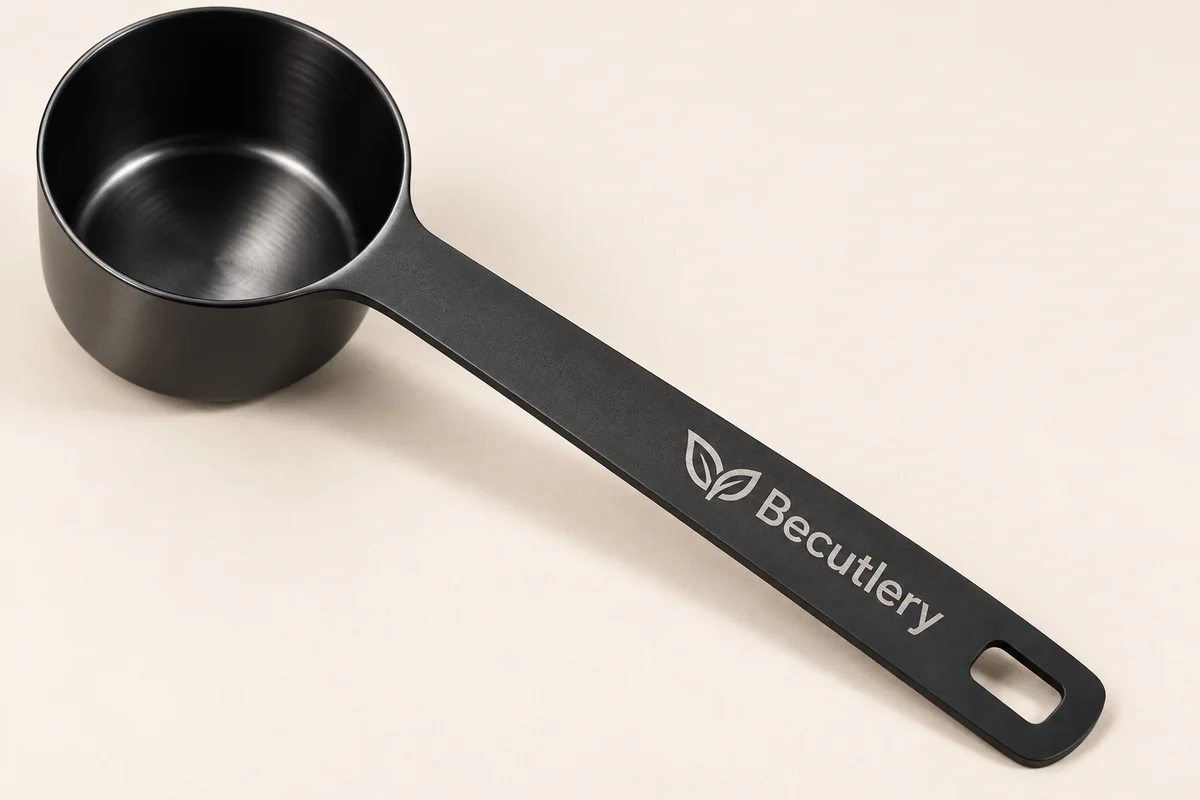
The catalog includes a 10 mL PP scoop, separate 20 mL stainless-steel scoops and a black 60 mL stainless-steel scoop. These are product references for comparison, not a recommendation that one size matches your formulation. The black 60 mL listing does not state a steel grade. Confirm the selected reference and material requirements before comparing samples.
02
Define how the customer fills the scoop
State whether the instruction uses a level, heaped or otherwise defined fill, and whether the powder is pressed or tapped. If you need a gram serving, record fills with the actual formulation and keep the individual results. A volume mark cannot replace these checks. Review the result again when a relevant formulation or filling instruction changes.
03
Test access at the top and bottom of the pack
A wide bowl needs enough clear opening, and the usable handle reach must suit the internal depth. Ask for the drawing that matches the exact sample; a longer overall product is not automatically easier to use. Check a filled container and a nearly empty one, including the pouch zipper or jar neck, and note any difficult grip, interference or spillage.
04
Plan how the scoop enters the finished pack
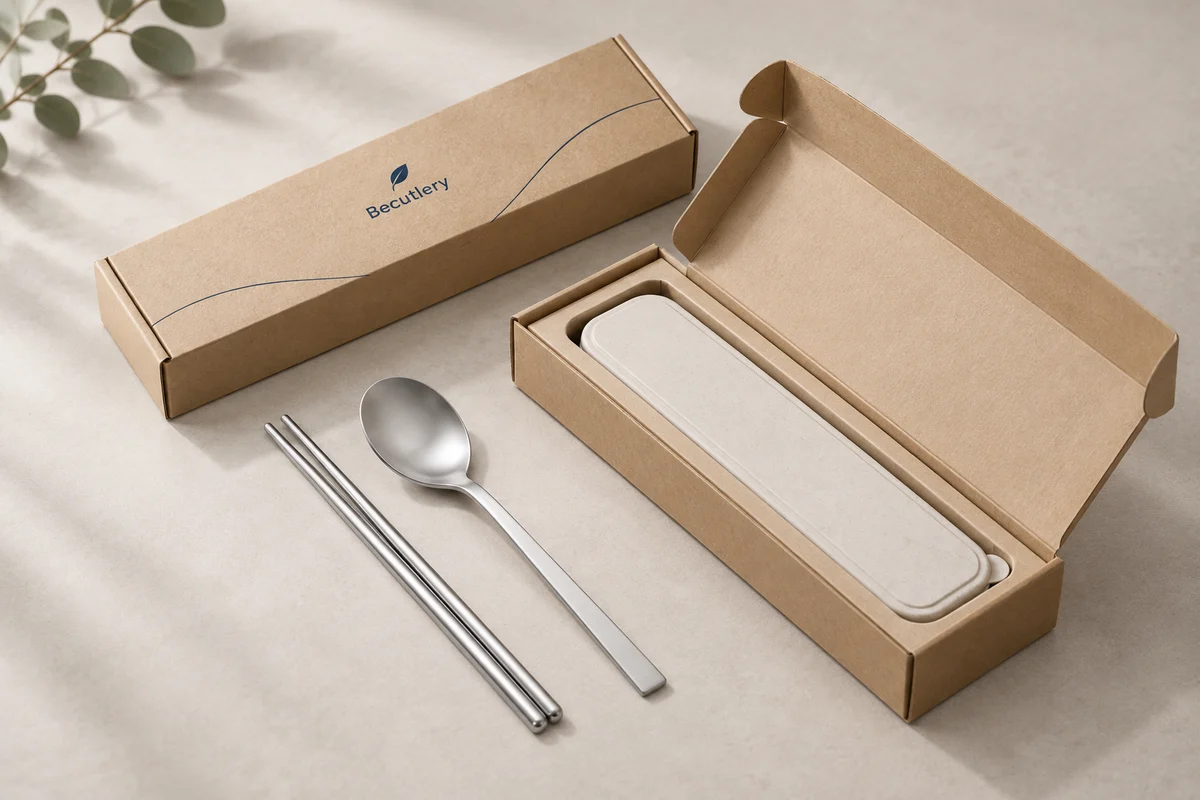
Tell us whether the scoop is placed inside the product, supplied separately or packed as a retail accessory. Identify where it sits and what keeps it from obstructing closure or moving against a decorated surface. Your packing process may have handling or presentation requirements; include them in the brief and check the proposed arrangement with a sample.
05
Approve material, surface and documents as one specification
Specify the food-contact conditions, cleaning expectations and destination market, then request documents matching the chosen scoop and finish. A steel grade, a supplier audit or a powder-fill comparison answers a different question from product-specific suitability. Keep any unresolved material or document requirement visible in the sample brief rather than treating a catalog photograph as confirmation.
06
Control the logo, volume mark and instruction together
Keep the brand artwork, nominal volume and serving instruction as separate items on the approval record. A 60 mL mark states volume; a gram statement needs support from your formulation and filling method. Before reordering, compare the artwork version, sample reference, powder instructions and packing configuration with the previous approved order.

 Xiamen · OEM / ODM